
1. Home
  2. Retire in Thailand

The Complete Guide

Retiring in Thailand, Explained

What life here really costs, where retirees settle, how healthcare works and how to plan the move. Written for people still deciding, by a team based in Thailand.

About 12 minutes to readUpdated September 2026

Why Thailand

A retirement with room to choose

Thailand is not one retirement experience. Some people want a beach town and a slow morning routine. Others want a city with international hospitals, direct flights home and restaurants from every part of the world. Others again want mountain air, a garden and a quieter community. Thailand offers all three within a two-hour flight of each other.

What draws most of the retirees we work with is the combination: a warm climate all year, a welcoming culture with a long history of hosting foreigners, modern conveniences in the main centres, and a cost of living that gives many people more choice than they had at home.

What tends to work well

  • A long-stay visa route designed for people over 50, renewable year by year.
  • Private hospitals in the major cities that serve international patients in English.
  • Established expat communities in Bangkok, Chiang Mai, Hua Hin, Pattaya and Phuket.
  • Good domestic transport, so a change of scene is a short flight or train ride away.

What takes honest planning

  • Immigration admin repeats every year. It is manageable, but it does not disappear.
  • Healthcare is excellent in the cities and thinner in rural areas. Location matters.
  • Property purchase for foreigners is restricted. Most retirees rent, at least at first.
  • The heat, the rainy season and the distance from family suit some people better than others.
Our honest view

Thailand rewards people who plan the practical side properly. The retirees who settle happily are usually the ones who visited first, rented before buying, chose a location around healthcare and routine, and had someone local to handle the paperwork.

Cost of Living

Understand the budget behind the lifestyle

Thailand can be affordable, but "affordable" depends on where you live, how you live and what you need. We will not quote you a single monthly figure, because that number would be wrong for most people. Here is how to build your own.

The five categories that move the number most

  1. Housing. The biggest variable by far. A furnished condominium in central Bangkok and a house with a garden outside Chiang Mai are different budgets, and both are available. Renting keeps this flexible in your first year.
  2. Healthcare and insurance. Private hospital care is good value compared with many Western countries, but premiums rise with age and pre-existing conditions change the picture. Budget for insurance before you budget for anything else.
  3. Food and daily life. Eating locally is inexpensive. Imported groceries, wine and Western restaurants are not. Most retirees settle somewhere in between.
  4. Transport and travel. Local transport is cheap. Flights home, regional trips and running a car are where this category grows.
  5. Family and lifestyle. Visits from children and grandchildren, golf, diving, hobbies and the occasional splurge. This is the part people forget to include and later wish they had.

Two habits that keep the budget honest

Plan in ranges, not promises. Work out a comfortable month and a lean month in your own currency, then check both against the exchange rate. Currency movement is the cost most retirees underestimate.

Rent first. A year of renting costs less than one wrong property decision. It also tells you what your real monthly spend looks like in the place you have actually chosen.

Money and your visa are connected

Retirement visas and long-stay extensions include a financial requirement, which can be met through funds held in a Thai bank, a regular income, or a combination. How you structure this affects when you can apply and what documents you need. We cover it in the retirement visa guide and confirm the current thresholds in your consultation.

Where to Live

Six places retirees choose, and who they suit

There is no best city, only the best fit for your health, budget, social life and pace. These are the starting points most of our clients compare.

  • Capital city

    Bangkok

    Everything within reach: the widest choice of international hospitals, direct flights, world-class food and a large expat community. Busy, hot and urban, but the suburbs and riverside districts can be surprisingly calm.

    Pace
    Fast
    Healthcare
    Excellent
    Suits
    City lovers, frequent travellers
  • North

    Chiang Mai

    Cooler mountain air, temples, cafés and a long-established retiree community. Good private hospitals for a city of its size. The smoky season from February to April is the honest downside.

    Pace
    Relaxed
    Healthcare
    Very good
    Suits
    Culture, gardens, a slower rhythm
  • Gulf coast

    Hua Hin

    A royal seaside town three hours from Bangkok with a calm, older expat crowd, golf courses and good hospitals. Popular with couples who want the sea without the nightlife.

    Pace
    Gentle
    Healthcare
    Good
    Suits
    Couples, golfers, quiet coastal living
  • Eastern seaboard

    Pattaya & Jomtien

    Close to Bangkok's airports, with a large international community, plenty of housing choice and strong private hospitals. Lively in the centre, residential and quiet along Jomtien and the hills behind.

    Pace
    Varies by district
    Healthcare
    Very good
    Suits
    Value housing, social life, airport access
  • Andaman coast

    Phuket

    An island with an international airport, beaches, marinas and international hospitals. Costs run higher than the mainland, and the west-coast tourist areas are busy in high season.

    Pace
    Resort
    Healthcare
    Very good
    Suits
    Beach and boating, higher budgets
  • Isan and the provinces

    Udon Thani & the north-east

    Where our office is. Genuinely Thai, very affordable, friendly and unhurried, with a growing foreign community, many of whom have Thai family here. Healthcare is good in the city and thinner in the villages.

    Pace
    Slow
    Healthcare
    Good in town
    Suits
    Thai family ties, low budgets, rural life
How to compare fairly

Use the same questions for every place: How far is a hospital I would trust? What does a home I would be happy in cost to rent? How will I get around without a car? Who will I know within six months? Would I be content here in the hottest, wettest month of the year?

Healthcare

Plan healthcare before you choose a home

Thailand's private hospitals in Bangkok and the larger cities are a genuine strength. Many are internationally accredited, English is spoken, waiting times are short and specialists are accessible. For retirees, that quality comes with two planning tasks: paying for it and being close to it.

Insurance, honestly

Private treatment is good value by Western standards, but a serious illness or surgery is still a significant bill without cover. Insurance premiums rise with age, and insurers look closely at pre-existing conditions. The most reliable approach is to arrange cover before you move, understand exactly what is excluded, and keep a reserve for what insurance does not pay.

Some visa routes also expect health insurance as part of the application. We explain what applies to your route in the visa guide.

Medication and continuity

Most common medicines are available in Thailand, often without the prescription rules you may be used to, but brand names and availability differ. Bring a written list of what you take, with generic names, and plan to find a doctor here before your supply runs out.

What PDC does and does not do

We help you think through hospital access when choosing a location, organise the practical questions, and point you to reputable insurers and hospitals. We are not an insurance broker or a medical adviser. Coverage decisions should be confirmed with a licensed provider.

Planning Your Move

A realistic timeline, from first idea to first year

You do not need to decide everything at once. This is the order that works for most people, and the point at which each decision becomes urgent.

  1. Twelve months out: research and a visit

    Read, compare locations, and if you can, visit for two to four weeks in a normal month rather than a holiday. Test the routine: shopping, a hospital visit, the heat, the distance from an airport.

    Shortlist two or three placesRough budget in your currency
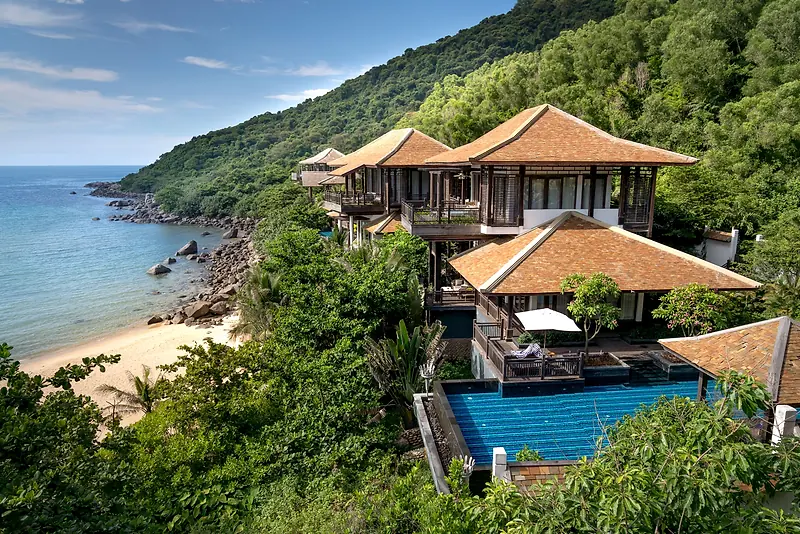
    Thai-roofed villas on a green hillside overlooking a turquoise bay
  2. Six to nine months out: visa route and finances

    Confirm which visa route fits you and what the financial requirement means for your money. If funds need to sit in a Thai bank account for a period before you apply, this is when the clock starts. Arrange health insurance.

    Free consultation with PDCDocuments list agreed
    An adviser reviewing visa documents with a client in a Bangkok office
  3. Three months out: paperwork and the practical move

    Gather and legalise documents, apply for the visa or plan the change of status, arrange your first rental, and decide what to ship and what to leave. This is where a local team saves the most time.

    Application preparedFirst home booked
    A couple reviewing housing options on a tablet with a PDC adviser
  4. Arrival and the first 90 days

    Immigration registration, bank account, phone and internet, a local doctor, and the first 90-day report. Then the part that matters: settling into a routine and meeting people.

    Arrival supportBanking and healthcare set-up
    A PDC adviser welcoming a retired couple with luggage in a residence lobby
  5. The first year: renewals and staying organised

    Your extension comes round annually, 90-day reports keep repeating, and a re-entry permit is needed before you travel. With reminders and a team that knows your file, none of this needs to be stressful.

    Annual extensionReminders from PDC
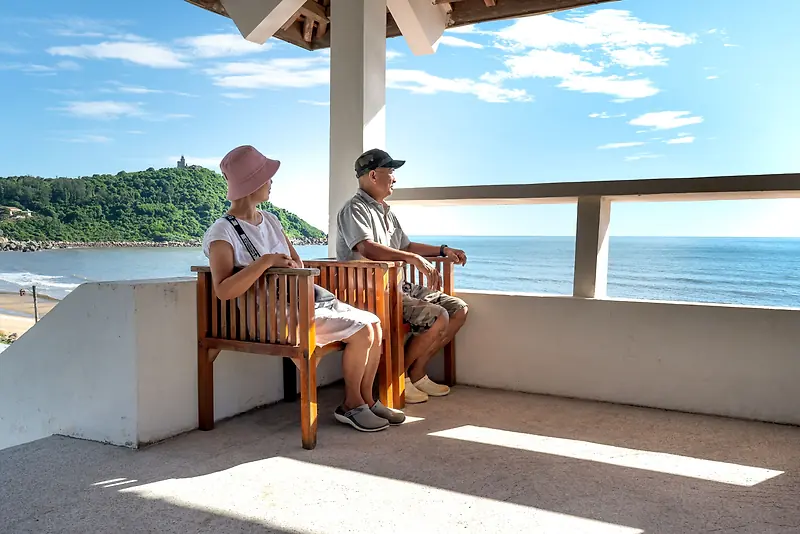
    A senior couple sitting together on an ocean-view balcony in Thailand
Can I retire in Thailand?

Most foreigners aged 50 or over can apply for a retirement visa or a long-stay extension, provided they meet the financial and documentary requirements. Younger applicants and other situations have different routes. A free consultation confirms which applies to you.

Should I visit before deciding?

A planning visit is often helpful. It lets you test daily routines, neighbourhoods and healthcare access before a permanent move. If you can, come in a month that is not a holiday.

Do you guarantee a specific cost of living?

No. Costs vary by location, lifestyle, exchange rates and personal needs. We help you plan categories and compare realistic scenarios, and we will tell you honestly if a plan looks too tight.

Can I buy a home in Thailand?

Foreigners can generally own a condominium unit within certain limits, while land ownership is restricted. Many retirees rent first and take independent legal advice before buying anything. We can point you to the right professionals.

Can PDC help me compare locations?

Yes. We talk through practical considerations such as hospital access, housing, transport and community for the places you are considering, and we can arrange housing support when you have chosen.

Ready to talk it through?

A free consultation with a Thailand-based adviser. No obligation, and we are happy to answer research questions.